
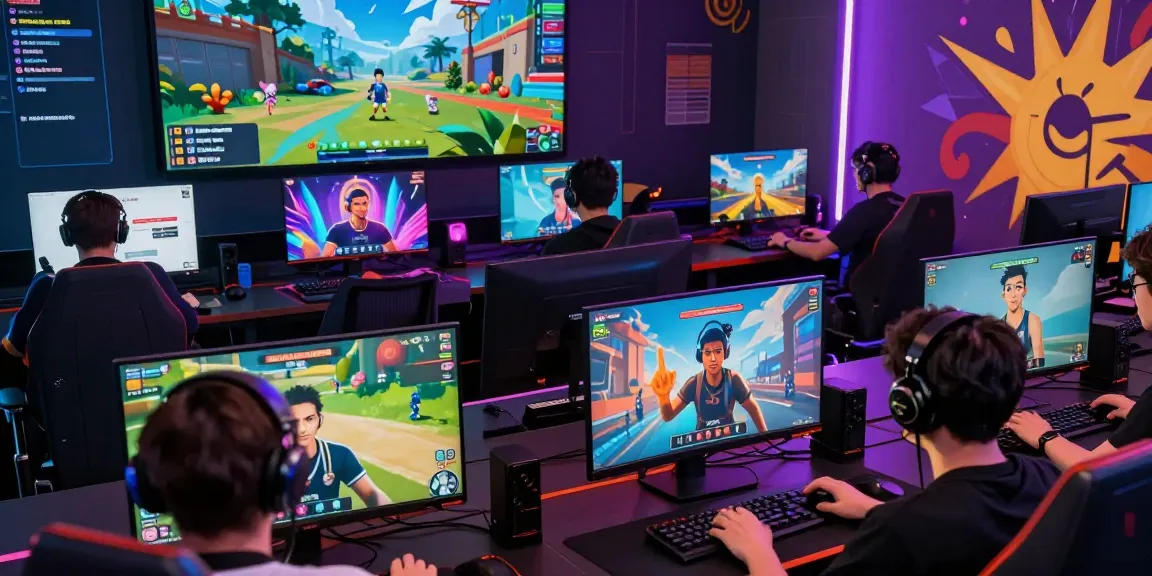
Understanding ROKOK88 and Its Impact on Gaming Communities
In an era where gaming has evolved from simple pastimes to complex ecosystems, the introduction of ROKOK88 sheds light on a concerning trend: the infiltration of extremist ideologies within gaming environments. ROKOK88 is not just a game; it's a platform that reflects broader social dynamics, where players must navigate not only virtual challenges but also the potential impacts of harmful ideologies that can seep into their communities. This article delves into how ROKOK88 addresses these threats, the role players can take in fostering a safe gaming environment, and the critical need for digital literacy amongst gamers. To further understand the implications of ROKOK88, you can refer to this resource on rokok88.
What is ROKOK88?
ROKOK88 is an innovative gaming platform designed to entertain while also promoting awareness of social issues, particularly the influences of extremist ideologies. The game serves as a microcosm of society, where players engage in various scenarios that challenge their beliefs and moral compass. Through immersive gameplay, ROKOK88 encourages players to think critically about the content they consume, the dialogue they engage in, and the communities they join within the gaming world. The developers of ROKOK88 have integrated elements that highlight the dangers of ideological manipulation, making it a significant tool in combating extremism.
How ROKOK88 Addresses Extremist Ideologies
At the heart of ROKOK88's design is a commitment to identifying and countering extremist ideologies. The game includes features that expose players to the subtle ways in which extremist views can manifest, such as through in-game dialogues, character interactions, and community forums. By providing a safe space for players to encounter these issues, ROKOK88 encourages dialogue and discussion, fostering an environment where players can share their thoughts and experiences without judgment. The goal is to cultivate a sense of awareness about the potential for manipulation and the importance of questioning the content that players encounter.
The Role of Players in a Safe Gaming Environment
Players are not just passive consumers of content; they play a pivotal role in shaping the gaming environment. In ROKOK88, players are encouraged to take an active stance against the spread of extremist ideologies by promoting inclusivity and supporting one another. This can involve reporting inappropriate content, engaging in constructive conversations, and creating spaces where all players feel welcome. By fostering a culture of mutual respect, players can help mitigate the risks associated with extremist ideologies infiltrating their gaming communities.
Identifying Extremist Threats in the Gaming World
Recognizing the signs of extremist ideologies in games is crucial for maintaining a healthy gaming culture. Players must be vigilant about the subtle messaging that can occur in game narratives and community interactions. Understanding these threats allows players to strengthen their defenses against potential manipulation. This section will highlight common signals of ideological manipulation and provide strategies for identifying risky content.
Common Signals of Ideological Manipulation
Ideological manipulation can manifest in various forms within gaming environments. Here are a few common signals to watch for:
- In-group vs. Out-group Narratives: Games that foster a strong distinction between 'us' and 'them' may promote divisive ideologies.
- Glorification of Violence: Content that normalizes violence against perceived enemies can desensitize players and perpetuate extremist views.
- Use of Language: Language that promotes hatred or derogatory terms can indicate an underlying extremist ideology.
- Echo Chambers: Communities that discourage dissenting opinions or promote groupthink may harbor extremist views.
How to Recognize Risky Content
Identifying risky content requires keen observation and critical thinking. Players should consider the following strategies when navigating gaming environments:
- Question Source Credibility: Always verify the sources of information and content before accepting them as true.
- Cultivate Critical Thinking: Engage in discussions that challenge existing beliefs and promote open-mindedness.
- Monitor Community Behavior: Pay attention to the behavior of community members, looking for patterns that might indicate extremist influences.
- Utilize Reporting Tools: Familiarize yourself with the reporting mechanisms in games to flag harmful content effectively.
Historical Examples of Extremist Influence in Gaming
History has shown that gaming communities can sometimes serve as breeding grounds for extremist ideologies. A notable example is the case of certain online communities that have been linked to radicalization efforts. These communities thrive on anonymity and often promote extreme views under the guise of freedom of expression. By analyzing previous instances of extremist influence, players can better understand the importance of vigilance and proactive engagement within their gaming environments.
Digital Literacy: A Key Defense Mechanism
In the digital age, the ability to discern credible information from misinformation is essential. Digital literacy equips players with the skills needed to navigate the complexities of online interactions and content consumption, making it a vital defense against extremist ideologies. This section discusses essential skills every gamer should acquire to enhance their digital literacy.
Essential Skills Every Gamer Should Have
To foster digital literacy, gamers should focus on developing the following skills:
- Information Evaluation: Assess the credibility of online sources and the accuracy of the content.
- Safe Navigation: Understand the risks associated with sharing personal information and how to navigate online spaces safely.
- Critical Analysis: Develop the ability to deconstruct messages to identify underlying ideologies and biases.
- Community Engagement: Learn how to engage constructively with other players while respecting differing opinions.
Strategies for Safe Online Interaction
To practice safe online interactions, gamers can adopt these strategies:
- Maintain Privacy: Use strong passwords and be cautious about sharing personal details online.
- Understand Community Guidelines: Familiarize yourself with the rules of each community to foster a respectful atmosphere.
- Engage Mindfully: Be conscious of the language used in discussions and seek to uplift rather than belittle.
- Stay Informed: Keep abreast of current issues related to digital literacy and extremist threats.
Resources for Continuous Learning
To promote ongoing development in digital literacy, gamers can access various resources, including:
- Online Courses: Platforms such as Coursera or edX offer courses on digital literacy.
- Webinars: Many organizations host webinars that provide insights on combating extremist ideologies.
- Books and Articles: Reading about digital citizenship and online safety can provide deeper understanding.
- Community Workshops: Participating in community initiatives can enhance awareness and skills.
Practicing Responsible Gaming
Responsible gaming is not solely about limiting playtime; it's also about fostering a positive, inclusive atmosphere within gaming communities. By practicing responsible gaming, players can help create environments that are less susceptible to extremist ideologies. This section provides insights into building supportive gaming communities and establishing personal guidelines for game interaction.
Building a Supportive Gaming Community
Creating a supportive gaming community involves collective effort. Here are some strategies:
- Encourage Inclusivity: Foster an environment that welcomes players from diverse backgrounds.
- Offer Support: Provide assistance to players who may feel marginalized or bullied.
- Host Community Events: Organize events that promote teamwork and collaboration among players.
- Recognize Positive Behavior: Acknowledge and reward players who contribute positively to the community.
Establishing Personal Guidelines for Game Interaction
Players can also create personal guidelines to ensure healthy engagement within gaming environments:
- Set Boundaries: Determine what kind of interactions are acceptable and stick to those boundaries.
- Practice Self-Reflection: Regularly assess your gaming habits and interactions to ensure they align with personal values.
- Engage Constructively: Approach discussions with an open mind and aim for constructive conversations.
- Report Offending Content: Take action against harmful behavior by reporting it through proper channels.
Encouraging Others to Follow Suit
Finally, encouraging others to practice responsible gaming helps to create a stronger defensive front against extremist ideologies:
- Lead by Example: Demonstrate positive behavior in-game to inspire others to do the same.
- Share Resources: Provide fellow gamers with resources to enhance their knowledge about digital literacy and responsible gaming.
- Engage in Dialogue: Initiate conversations about the importance of combating extremism in gaming.
- Support Initiatives: Advocate for community initiatives that focus on inclusivity and respect.
Future Trends in Gaming and Ideological Safety
As the gaming landscape continues to evolve, understanding the trends that will influence ideological safety is crucial. This section discusses emerging innovations in game design, the role of developers, and predictions for the future of gaming.
Emerging Innovations in Game Design
Game developers are increasingly aware of the social impact of their creations. Future innovations may include:
- Adaptive Storytelling: Games that change narratives based on player choices can enable deeper discussions about moral dilemmas.
- AI Moderation Tools: More sophisticated AI tools can help moderate online interactions and detect harmful content.
- Community-Focused Features: Games emphasizing community-building features can encourage collaboration and inclusivity.
- Educational Elements: Incorporating educational content into games can promote awareness about global issues, including political extremism.
Understanding the Role of Developers in Promoting Safety
Developers play a critical role in safeguarding against extremist ideologies. Their responsibilities include:
- Policy Implementation: Developers should enforce community guidelines that prohibit hate speech and harassment.
- Safety Features: Integrating safety features, such as reporting mechanisms and player moderation, is essential.
- Community Engagement: Actively engaging with the gaming community to understand their concerns can inform better practices.
- Research and Development: Ongoing research to understand trends in extremism will help in crafting safer gaming environments.
Predictions for Gaming in 2026 and Beyond
Looking ahead, how will games evolve to address ideological safety? Predictions include:
- Increased Regulation: Governments may impose regulations on gaming that enforce stricter controls over content.
- More Diverse Representation: A push for inclusion may lead to more diverse character representation and storytelling.
- Focus on Social Impact: Games may increasingly be designed with a focus on their social impact, promoting critical thinking and awareness.
- Expanded Community Guidelines: The establishment of comprehensive community guidelines that address real-world issues will likely become a standard practice.
What are the Best Practices Moving Forward?
As we move forward, the gaming community must prioritize certain best practices to safeguard against extremist ideologies:
- Continuous Education: Players and developers alike must commit to ongoing education about the risks of extremism.
- Collaboration: Collaboration between gamers, developers, and educators can create a holistic approach to combatting ideologies in gaming.
- Adaptive Strategies: Adapting to changing dynamics in the gaming world will be key for both players and developers.
- Promoting Positive Narratives: Highlighting games that promote positive messages and ethical behavior will encourage others to follow suit.
In conclusion, the emergence of ROKOK88 highlights a crucial intersection between gaming and social responsibility. By recognizing the potential threats posed by extremist ideologies and actively engaging in fostering a safe gaming environment, players can ensure that gaming remains a positive space for all. Understanding and utilizing digital literacy, practicing responsible gaming, and participating in community-building efforts are pivotal steps that will contribute to shaping a healthier gaming culture.